
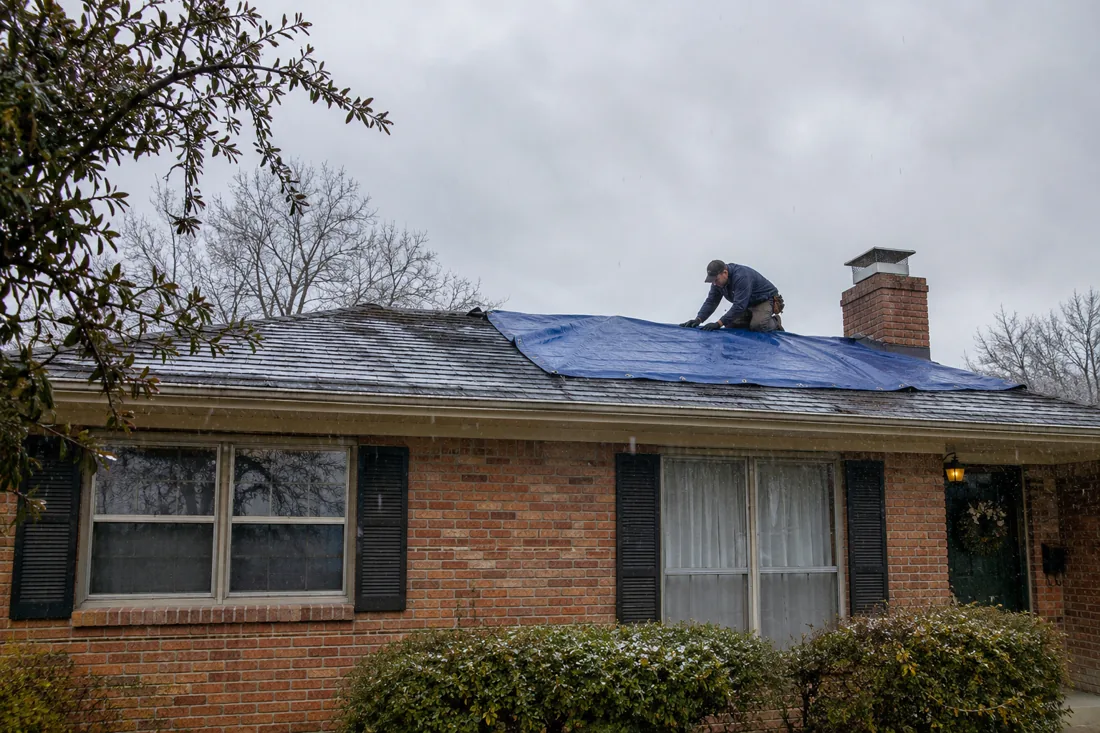
Water Dripping Indoors During an Ice Storm or Thaw?
Stay off an icy roof and keep away from damaged overhead materials. A roofing provider handles the roof entry; interior cleanup addresses what became wet.
A leak may appear while freezing precipitation is falling or when water begins moving again during a thaw. Roof openings, flashing and runoff routes need a roofing assessment rather than an indoor guess. The cleanup team checks the ceiling, insulation and wall path below the entry point while safe source work is arranged.
North Texas winter conditions can include freezing rain, sleet and later melting water. That context explains why the timing of a leak matters, but it does not prove that every winter ceiling stain is a roof problem. A frozen attic water line can produce a similar interior pattern and needs different source repair.
Coordinating Roof-Entry Repairs With Interior Water Cleanup
- Call and explain what happened.
A specialist asks about the water source and the rooms affected.
- We find where the water went.
Moisture checks locate wet materials, including inside walls and under floors.
- Water removal and drying.
Standing water comes out first. Drying equipment goes where it is needed.
- Checked dry before repairs.
Materials are confirmed dry before anything is closed up or replaced.
Water still spreading? Call now to speak to a specialist.
(XXX) XXX-XXXXRecord When the Drip Started and What Changed
Note whether the leak appeared during precipitation, a thaw or household water use. Photograph the indoor damage from a safe position. A roofing provider can use that history when checking the roof assembly, while a plumbing provider may be needed if a supply line is suspected. Do not climb onto ice to locate a drip from above.
Move belongings only where the floor and overhead area are safe. Keep wet electrical fixtures out of use and leave a sagging ceiling's room clear. Protecting a dry possession does not justify standing beneath unstable drywall. Water can also collect above a partition before the first room-side stain becomes visible.
Roof Water Can Travel Along Framing Before It Falls
The stain beneath a roof leak can be offset from the entry. Framing, under-roof layers and insulation may redirect water toward a ceiling joint or wall opening. The interior inspection follows that route and checks adjacent materials instead of restricting the drying plan to the first dark patch on the paint.
An attic edge can be difficult to reach, which makes access part of the cleanup discussion. Removing a damaged ceiling panel may expose one area while leaving another wet pocket beside an exterior wall. The plan should identify how retained framing and insulation will be examined before interior finishes cover the assembly again.
| Observation | Why it matters to the assessment |
|---|---|
| Drip during melting | Roof runoff and concealed retained water need checking |
| Stain beside an exterior wall | Attic-edge access and wall-cavity spread may be involved |
| Water at a light opening | Electrical and overhead safety take priority |
| Leak when a fixture is used | A plumbing source must also be considered |
Contain the Interior Damage While the Source Is Addressed
Temporary roof protection and permanent roofing repair belong with the appropriate roof provider. Interior drying cannot resolve an opening that is still admitting water. The cleanup scope therefore records the source status and considers how new precipitation could affect equipment placement or the wet-material boundary.
Accessible room water is removed when conditions allow. Wet insulation or damaged ceiling material may need controlled removal to expose what can remain. Ceiling and attic water damage cleanup examines those layers. If inspection identifies a ruptured supply line instead, frozen pipe cleanup follows the plumbing-related water path.
Drying After a Thaw Is More Than Waiting for the Paint
A surface stain can stop spreading while insulation above it remains wet. Air movement and dehumidification need access to the retained assembly, with measurements taken at the actual wet locations. Cooler outside air or a dry-looking roof surface does not establish that the interior framing has finished releasing moisture.
Equipment and access must also work around the occupied room below. Keep the work area and cords out of normal travel routes where possible. Structural drying links those practical arrangements to repeat material checks, so the patching sequence is based on the assembly rather than the weather improving.
Watch the Same Ceiling Edge After the Next Precipitation
A new stain or fresh drip after source repair needs investigation. The repair provider may need to revisit the roof, and the cleanup assessment may need to distinguish renewed entry from water leaving a previously saturated pocket. Keep the earlier photographs and source-repair details available so those conditions are not confused.
A persistent attic odor, wet insulation edge or darkening on framing should be checked before replacement finishes are installed. The interior repair can otherwise cover a location that still needs access. The aim is a stopped entry point and a checked material condition, not merely a ceiling that looks cleaner from the floor.
The winter water-damage checklist helps organize after-thaw checks and safe shutdown information. Its pipe focus does not replace a roof inspection, but its attention to newly appearing water is useful when several cold-weather problems occur in the same home.
Sources: NWS North Texas winter climate, Fort Worth frozen pipe guidance, EPA drying methods.
Interior Cleanup Connected to a Winter Roof Leak
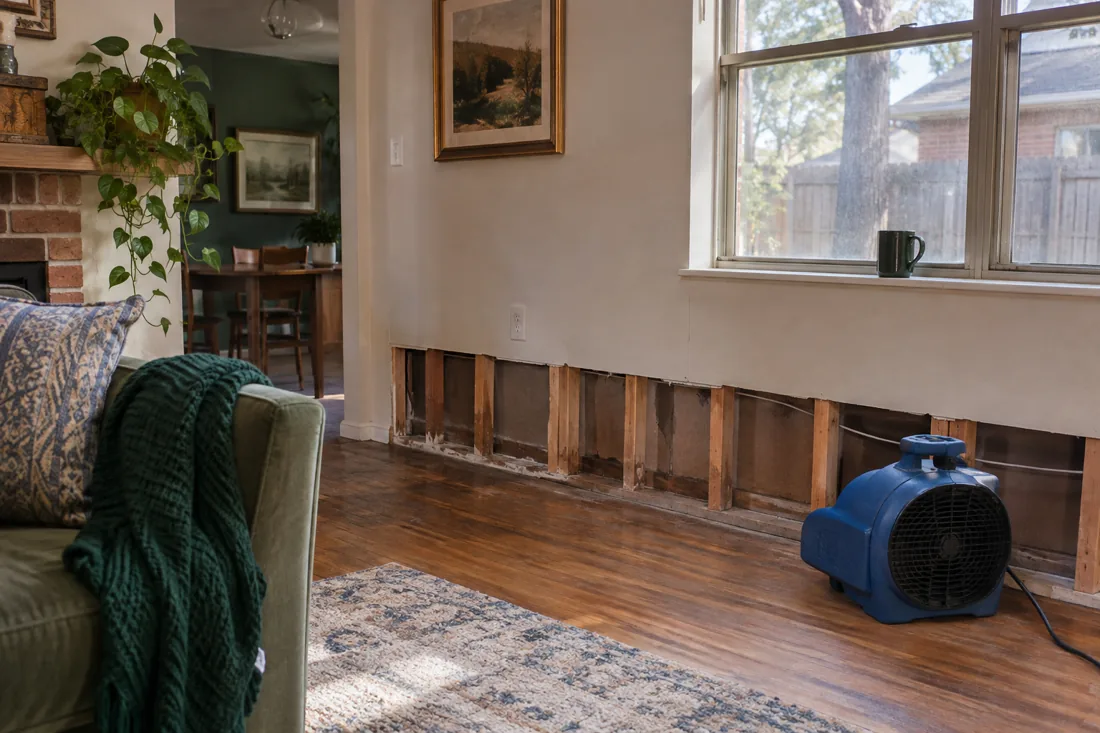 Structural Drying & DehumidificationMoisture trapped in framing, wall insulation, subfloors and cabinet bases after visible water is removed.
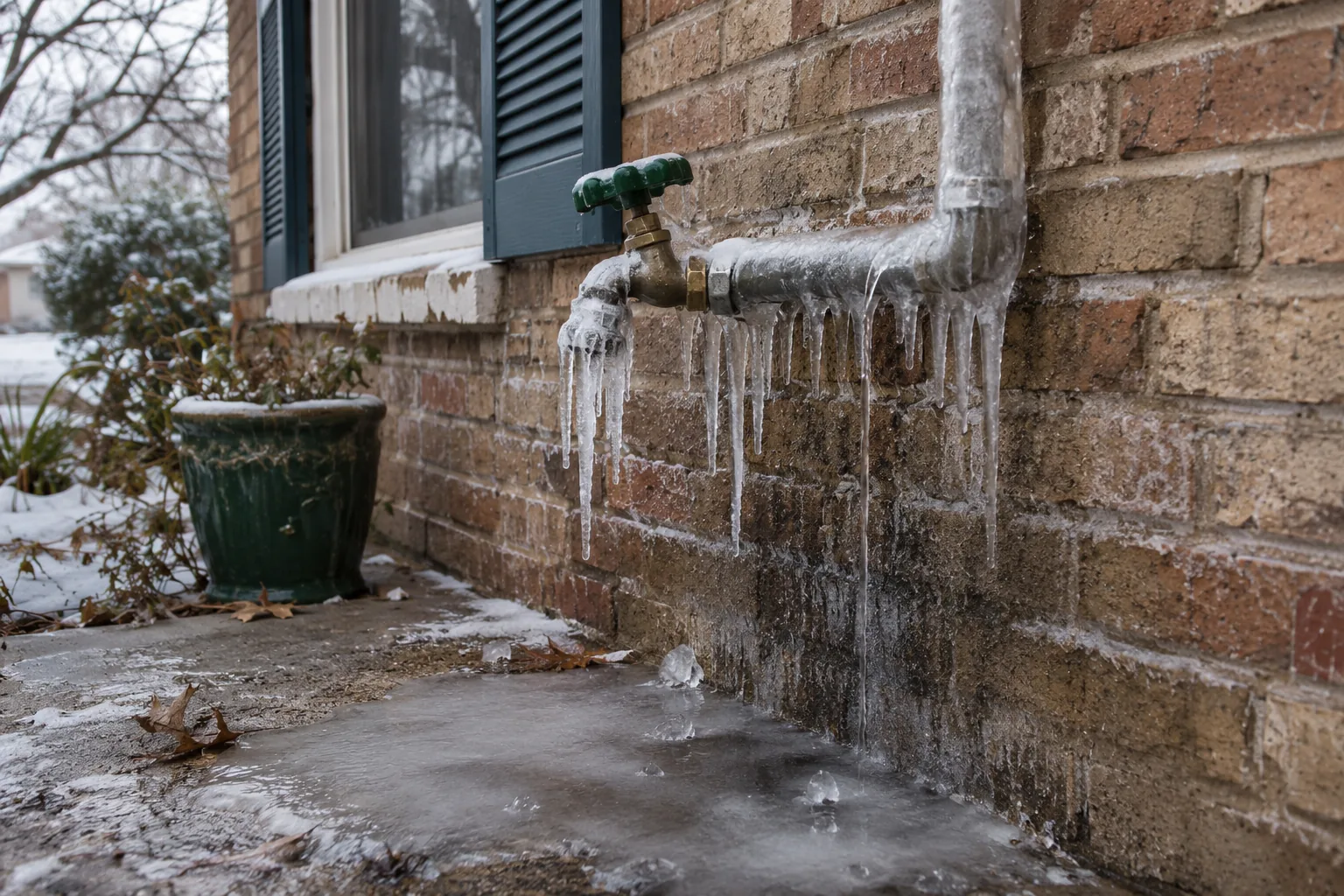 Frozen & Burst Pipe CleanupRuptured frozen supply lines sending water through attic insulation, wall cavities and the rooms below.
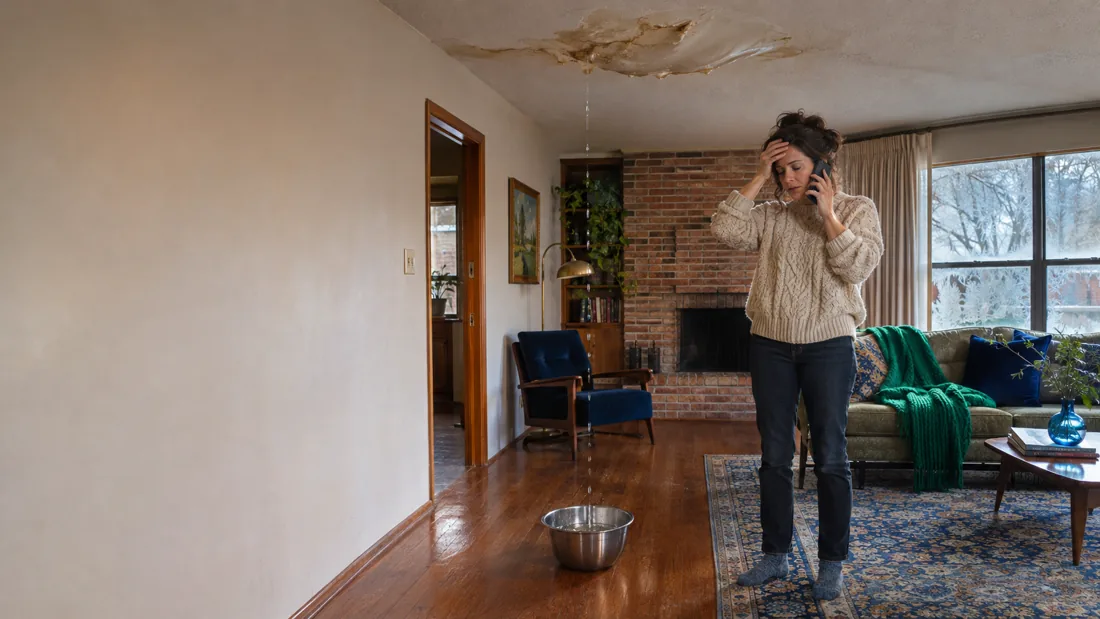 Ceiling & Attic Water DamageOverhead leaks saturating ceiling drywall and insulation before drips appear inside the occupied room.