
Visible Growth or a Musty Wall Needs a Moisture Investigation
Leave suspected growth undisturbed and avoid blowing a fan directly across it. A dark patch is not enough to identify a mold type or the extent inside a wall.
A slow sink leak, wet ceiling cavity or damp wall base can feed growth while the room's open surfaces look normal. Mold removal planning starts with those moisture conditions. Scrubbing the visible face or repainting it cannot establish what is happening behind the finish or whether the original leak has stopped.
Fort Worth properties span several building eras, and remodeled rooms may have concealed layers around older framing. The assessment follows the actual assembly and water history. Where Texas rules require assessment documents and separation of assessment and remediation roles, those arrangements must be made before the cleanup scope is treated as settled.
Turning a Moisture Finding Into a Defined Mold Cleanup Scope
- Describe the damp area.
A specialist reviews the location, water history and visible changes.
- Establish source and extent.
Assessment identifies affected materials and any further investigation needed.
- Control the cleanup area.
Containment and material handling follow the defined scope.
- Review before rebuilding.
Retained surfaces and moisture conditions are checked before finishes return.
Water still spreading? Call now to speak to a specialist.
(XXX) XXX-XXXXBlack Mold Is a Color Description, Not a Complete Diagnosis
Mold can have different colors, and a black mark does not identify a species or determine a person's health risk. The useful building questions are where growth is present, what is keeping the material damp and how far the affected assembly extends. Appearance alone cannot answer all three.
Sampling is not automatically needed whenever visible growth is found. An assessment should explain what a proposed test would resolve and how the result would change the work. Mold inspection and testing deals with that decision without presenting a laboratory result as a substitute for finding the wet material.
Wall-Cavity Growth Can Extend Beyond a Surface Mark
Water can wet the back of drywall, a wall plate or insulation before staining appears in the room. A small mark near trim therefore does not establish a small concealed scope. Moisture readings, source history and suitable access help decide which areas need examination before demolition begins.
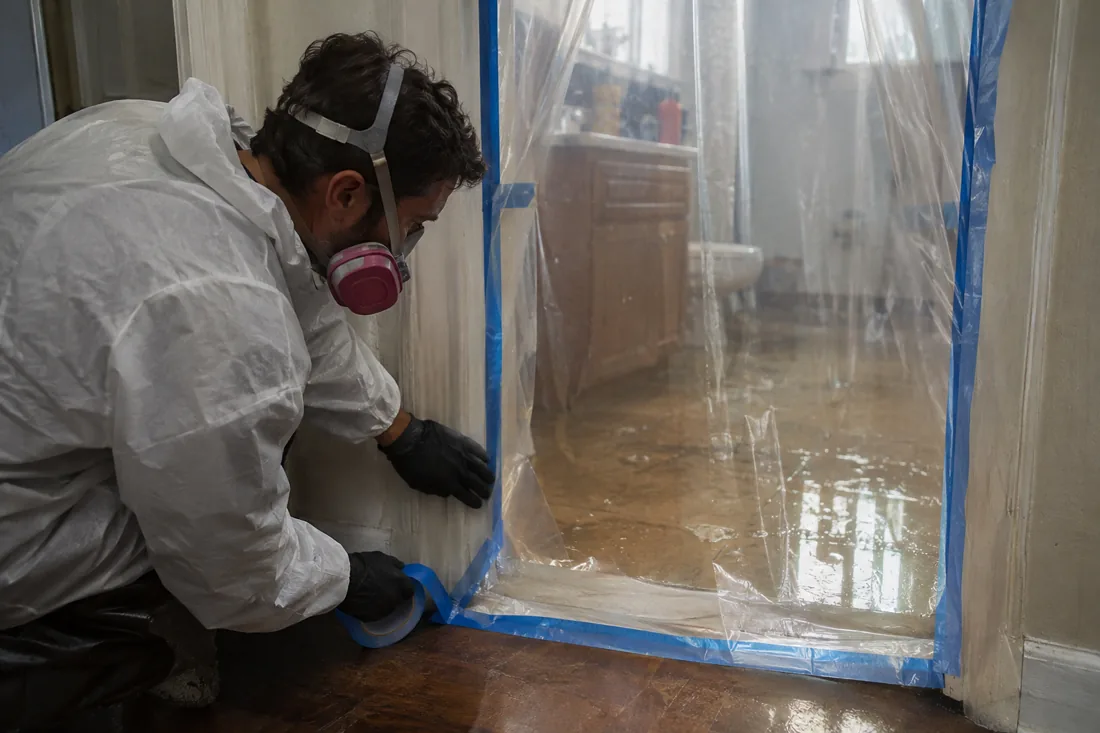
Do not open a suspected cavity simply to take a closer look while the room is occupied. Disturbing affected materials can release debris into nearby spaces. The work plan should establish access and containment first. A cabinet or wall finish that hides moisture also needs a plan for how its retained surfaces will be checked.
| Observation | Question to investigate |
|---|---|
| Recurring spot on drywall | Is the back of the board or wall cavity still wet? |
| Odor near a cabinet | Is moisture held beneath or behind the fixed unit? |
| Growth at an attic edge | Is roof entry, plumbing or condensation involved? |
| Damp floor perimeter | Has water reached the wall plate or flooring support? |
Containment and Air Filtration Support Controlled Removal
The work area may need separation from occupied rooms, with an access route for workers, equipment and removed material. Air filtration supports that arrangement but does not remove growth embedded in a damaged board. The plan must still identify what will be cleaned, what will be removed and how debris will leave the property.
Protecting the route matters as much as closing a doorway. A removed panel should not be carried uncovered through clean storage, and an open return-air path should not be ignored beside the work. Equipment and containment choices depend on the actual location and extent, rather than the color of the visible growth.
Cleaning a Retained Surface Is Different From Keeping Damaged Board
Some accessible surfaces can be cleaned, while affected porous or deteriorated materials may need removal. The decision depends on the material and the defined scope. A coating cannot turn a damaged drywall core into a sound one, and fragrance cannot establish that a concealed odor source has been removed.
The remaining structure also needs an appropriate moisture condition. Structural drying may be part of that work once source and contamination decisions are addressed. Closing a wall too early can hide a damp area that still needs access. The repair stage should follow the findings instead of setting the cleanup boundary in advance.
A Returning Odor Calls for Another Source Check
An odor that returns after cleaning can point to missed material, another damp pocket or continued leakage. It does not identify a mold species by itself. Revisit the actual location and the water history rather than adding a scented treatment or another layer of paint to the same surface.
Where the wet area is beneath a raised floor, crawl space mold and moisture work may be the relevant route. The room above and the space below can be connected through flooring and wall openings. The scope should explain which of those areas were inspected and which still need access.
Use the mold planning calculator to organize visible area and location. Concealed growth, material removal and access can change the actual work beyond that visible measurement. Any required assessment and completion criteria need to be addressed alongside those practical cleanup factors.
Sources: EPA mold investigation, EPA material remediation, Texas mold roles.
Assessment and Moisture Work Connected to Mold Removal
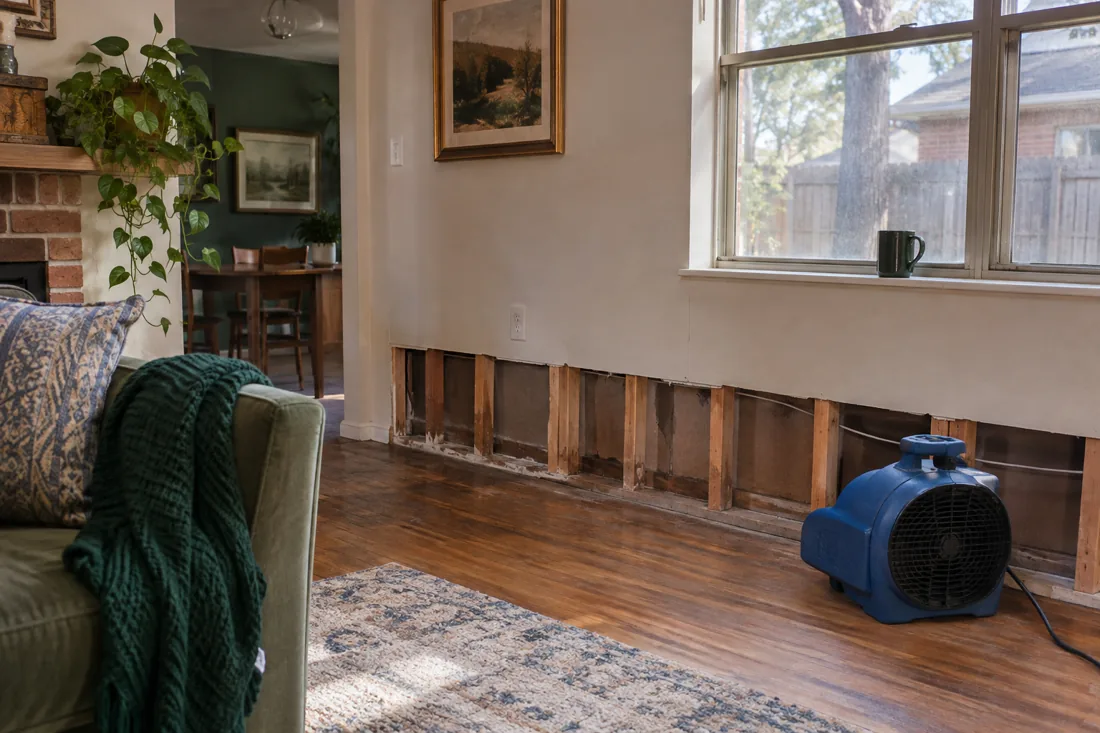 Structural Drying & DehumidificationMoisture trapped in framing, wall insulation, subfloors and cabinet bases after visible water is removed.
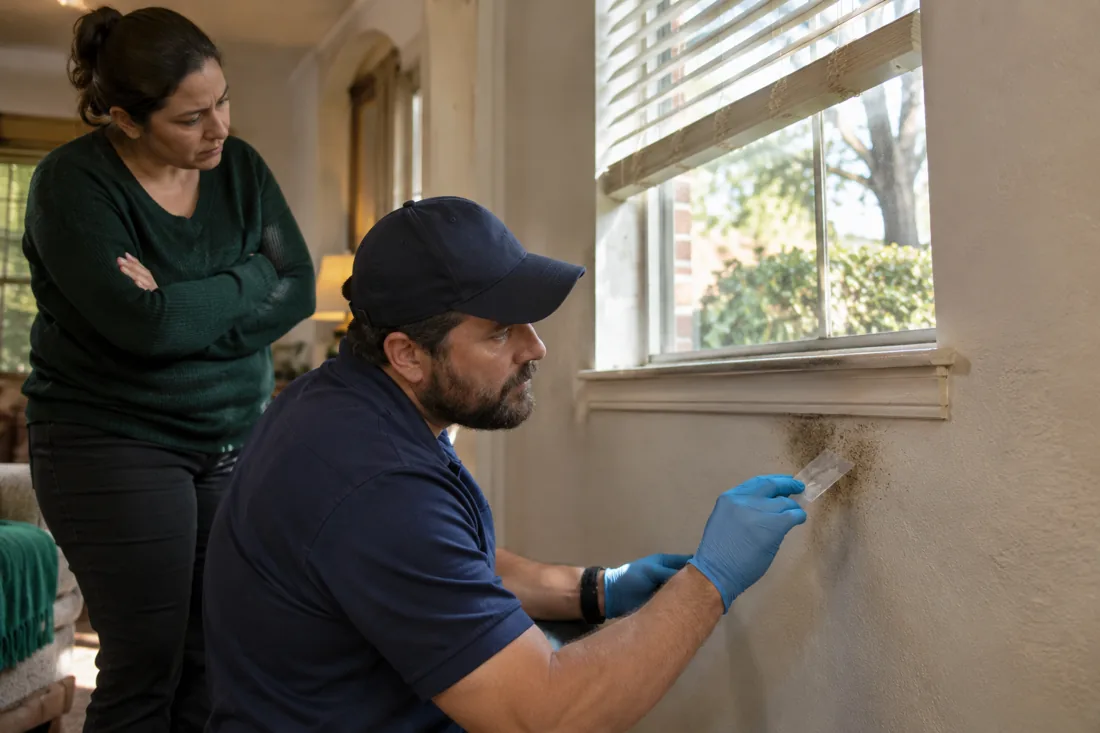 Mold Inspection & TestingUnexplained damp odors and suspected growth requiring a closer look at moisture and affected surfaces.
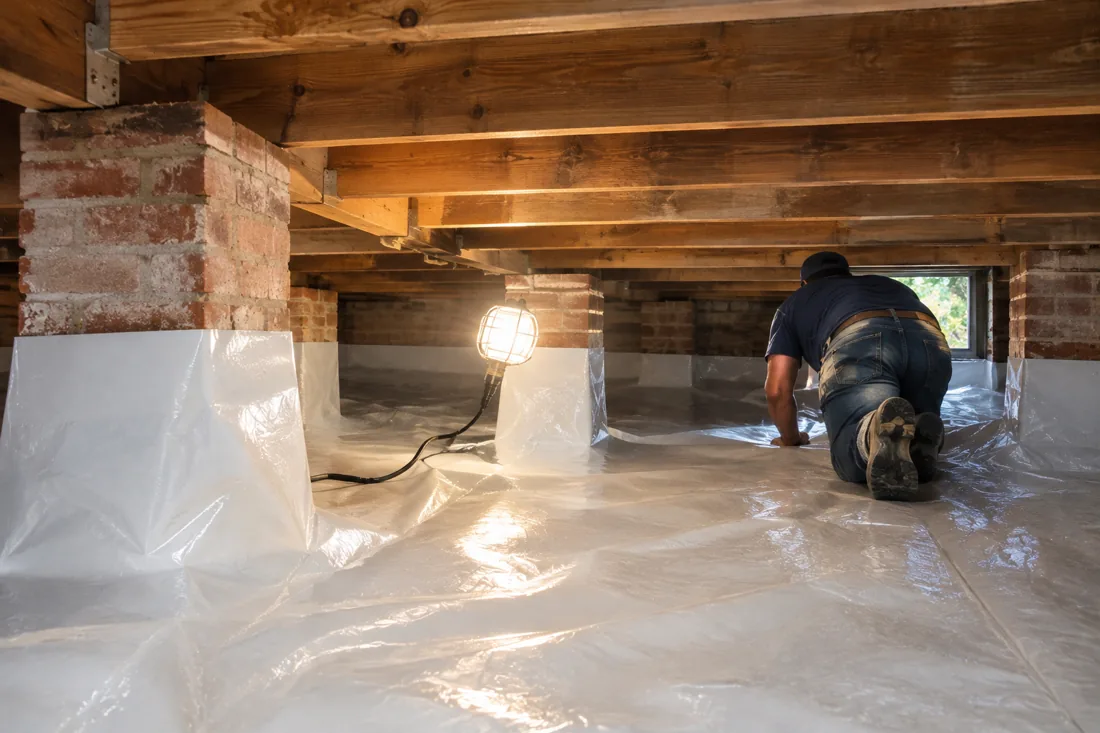 Crawl Space Mold Removal & EncapsulationDamp crawl space framing and recurring ground moisture affecting the space beneath raised floors.