Water in a Business Needs a Plan for People and Materials
Keep staff, residents and customers out of wet electrical areas or spaces with unstable overhead material. Building management should establish which areas can be used safely.
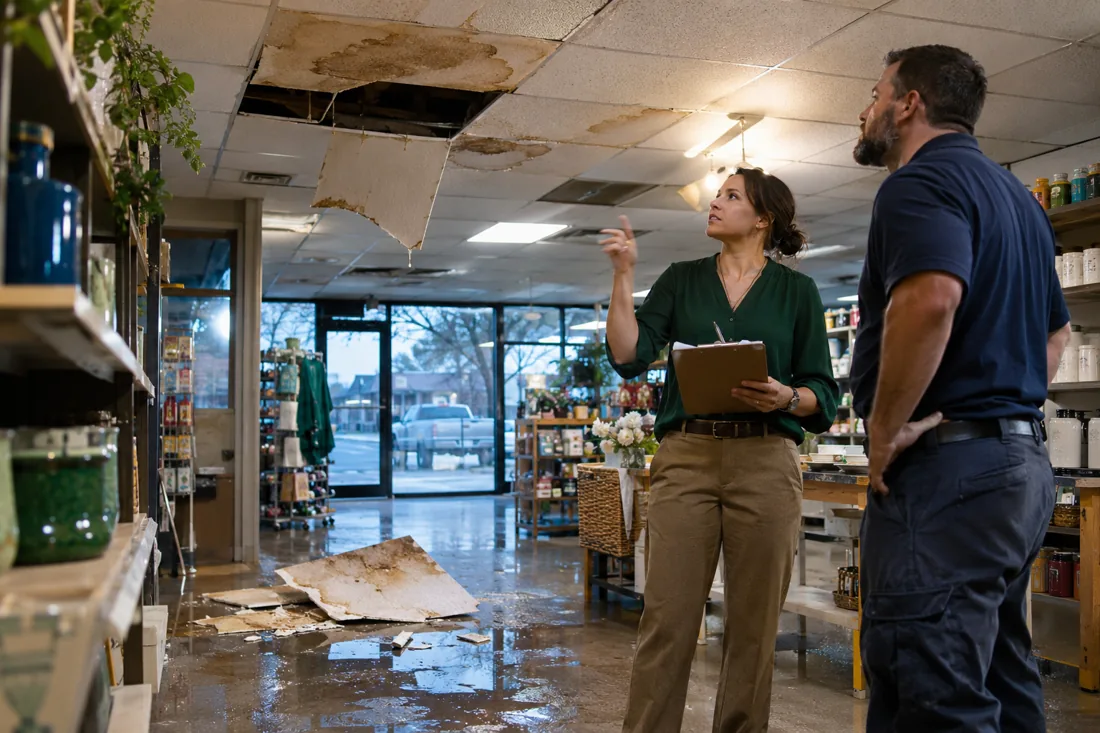
A wet stockroom, an office ceiling leak and a flooded shared corridor create different operating problems. Cleanup must identify the source and the affected materials while accounting for exits, access permissions, inventory and equipment routes. A room is not ready for normal use simply because standing water has been removed.
Fort Worth commercial and multifamily buildings can also have exposed plumbing in unheated areas. The city's freeze guidance specifically identifies fire sprinkler lines as a concern. Where a protection system is involved, management and its fire-protection provider handle system decisions separately from the building-material cleanup and drying work.
Coordinating Business Water Cleanup From the First Walk-Through
- Define the affected operations.
Management identifies occupied rooms, access restrictions and essential routes.
- Map the water damage.
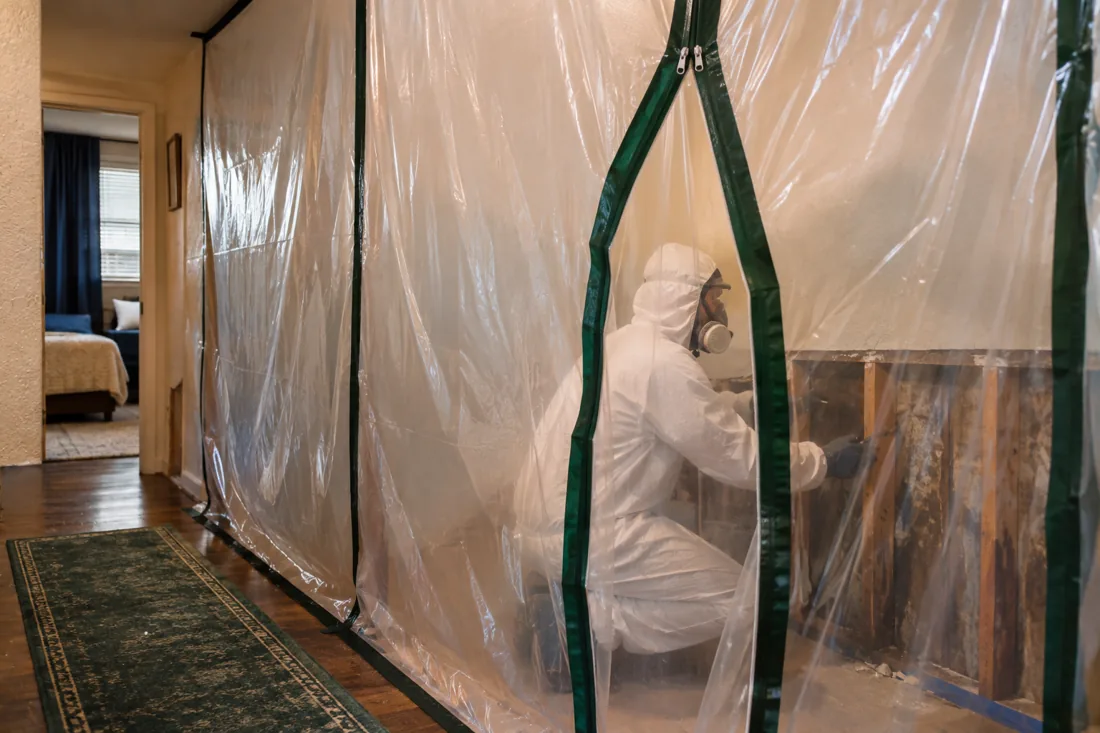
The assessment checks ceilings, partitions, flooring and adjacent spaces.
- Stage removal and drying.
Equipment and material handling follow source, safety and occupancy conditions.
- Review areas before reuse.
Material findings and building-management decisions guide the next stage.
Water still spreading? Call now to speak to a specialist.
(XXX) XXX-XXXXSeparate the Source Repair From the Building's Use Decisions
A plumber, roofing provider or equipment service company may be needed to stop the source. Cleanup planning uses that status but does not replace the source repair. Management also needs information about wet electrical equipment, ceiling instability or a route that cannot remain open. Those conditions can restrict access before any drying machines are brought inside.
The affected area should be described by room and assembly rather than a single floor-area total. Water above a suspended ceiling may have reached adjoining offices, while a puddle under shelving can conceal a wet partition base. The inspection record needs to identify spaces that were not yet accessible so they are not mistaken for unaffected rooms.
Keep Inventory Movement From Spreading Water Into Dry Storage
Stock, files and furnishings need decisions based on their material and water exposure. Moving a soaked box to a dry shelf can spread water and obscure its earlier condition. Photograph damaged contents from a safe location, separate exposed items where practical and coordinate handling before staff move inventory through the cleanup route.
A hard exterior container may be cleanable while its absorbent contents are not. Paper records, textile stock and electronic equipment each need a suitable assessment or specialist route. The building-material scope should distinguish those contents decisions from work on partitions, ceiling layers and flooring. Drying a room does not restore every item stored within it.
| Building need | Cleanup coordination question |
|---|---|
| Staff or customer access | Which routes and rooms can remain in use? |
| Inventory or records | How will exposed contents be documented and moved? |
| Shared or tenant rooms | Who can authorize access for inspection and follow-up? |
| Electrical or protection systems | Which provider controls isolation and return to service? |
| Drying equipment | Where can cords, hoses and machines operate without blocking routes? |
Water Condition Changes Material and Occupancy Planning
A recent supply release is different from water that has contacted sewage, dirty storage or other contaminants. The source history should be established before extraction or airflow is selected. Visual clarity alone cannot determine how a ceiling tile, carpet pad or partition material should be handled.
Where wastewater is involved, sewage backup cleanup addresses containment and removal decisions before ordinary drying. The work route may need separation from occupied areas. Do not move a household fan into the space or ask staff to wipe down affected porous material without the condition and scope being assessed.
Stage Drying Around the Assemblies That Actually Got Wet
Accessible water removal is followed by checks of retained materials. A dry floor aisle does not establish that the wall behind shelving or the ceiling above it is dry. Equipment needs access to those locations, and repeat readings need to return to the same assemblies instead of only to the easiest open area.
The building's electrical conditions and use patterns affect placement. Cords, hoses and machines must be coordinated with management's access plan. Structural drying documents material progress, while a damaged sprinkler source requires fire sprinkler water-damage coordination with the responsible protection provider. Neither task should be treated as the other's completion check.
Reopening a Room Requires More Than Removing the Machines
A material-drying review, source repair and the decision to use a room again are separate findings. Management needs a clear record of what was checked, which material was removed and whether any areas still need access. Cleaning a visible surface does not establish the condition behind a partition or above a replacement ceiling tile.
If operations change during the work, discuss the change before relocating equipment or opening a contained route. A newly occupied room may introduce access needs that were not part of the initial arrangement. A new stain, damp perimeter or persistent odor also deserves another inspection before stock or furniture covers the location.
The water damage planning calculator can organize area, materials and water exposure. It cannot account for every tenant-access requirement, contents decision or specialized system repair. A commercial assessment needs those operational details alongside the wet-material findings, so the scope reflects the building that is actually being used.
Sources: EPA commercial building cleanup, EPA material remediation guidance, Fort Worth commercial freeze guidance.
Specialized Cleanup Connected to a Commercial Water Loss
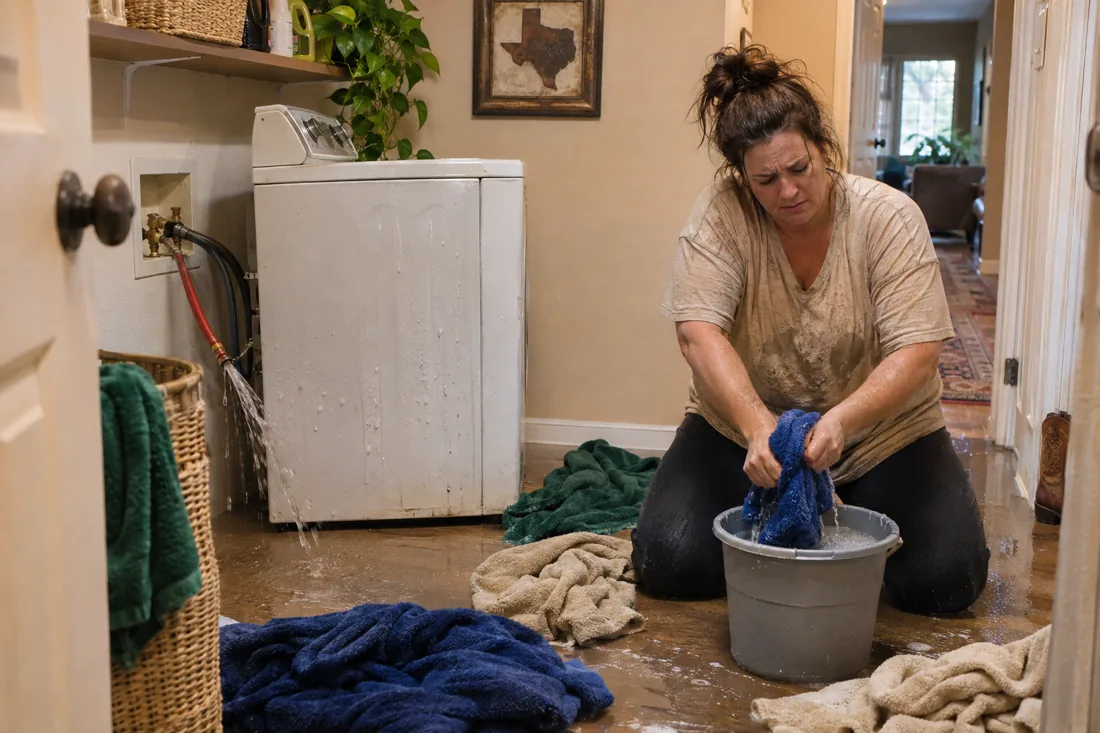 Sewage Backup & Toilet Overflow CleanupContaminated water from backed-up drains or overflowing toilets soaking nearby floors and porous building materials.
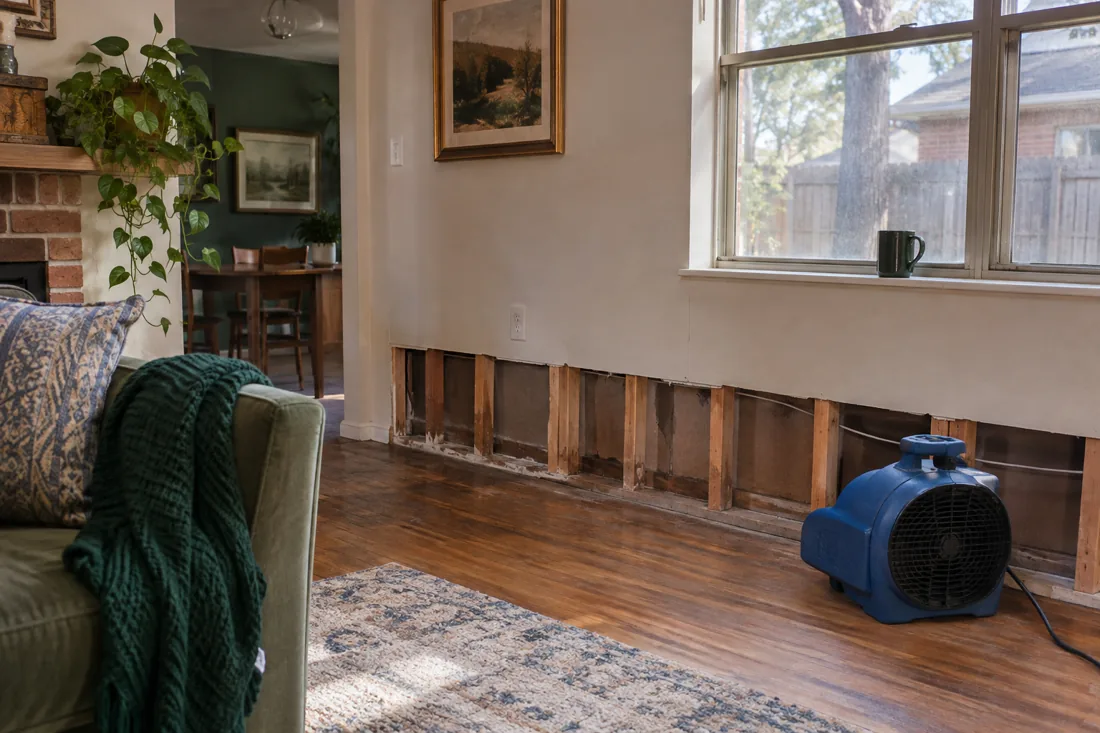 Structural Drying & DehumidificationMoisture trapped in framing, wall insulation, subfloors and cabinet bases after visible water is removed.
 Frozen Fire Sprinkler Line Water DamageFrozen fire sprinkler piping releasing water above commercial work areas, apartment corridors or shared rooms.